
Best Swim Caps for Every Swimmer
Protect your hair from chlorine damage, reduce drag in the water, and keep hair out of your face. This guide covers silicone vs. latex, caps for long hair, and how to find the perfect fit for adults and kids.
Why Wear a Swim Cap?
Swim caps aren't just for competitive swimmers. They offer real benefits for anyone who spends time in the poolfrom protecting your hair to improving safety and comfort.
- Protects hair from chlorine: Chlorine strips natural oils, causes dryness, and can even discolor treated or bleached hair. A cap creates a barrier that reduces chemical exposure.
- Reduces drag: Streamlined head profile means less resistance in the waterespecially important for competitive swimmers and triathletes.
- Keeps hair out of your face: No more mid-lap adjustments. A cap keeps hair secure so you can focus on your stroke and breathing.
- Pool hygiene: Caps reduce the amount of loose hair, product residue, and oils entering pool watermany public pools require them for this reason.
- Better goggle seal: Wearing a cap over goggle straps prevents snagging and keeps goggles secure, especially during dive starts.
Silicone vs. Latex vs. Lycra: Which Is Best?
Not all swim caps are made equal. Here's how the three main materials compare.
Silicone
The best all-around choice. Durable, comfortable, hypoallergenic, and easy to put on. Stretches well without tearing. Typically lasts 1-2 years with regular use. Costs $8-$20.
Latex
Thin, lightweight, and cheap ($3-$8). Great for competitive swimmers who replace caps frequently. Downside: less durable, can cause allergic reactions, and tears more easily than silicone.
Lycra / Fabric
Breathable and comfortable, but offers zero waterproofing. Best for aqua aerobics, water polo practice, or keeping hair back during casual swimming. Not suitable for protecting hair from chlorine.
Best Swim Caps for Long Hair
Standard swim caps often don't fit comfortably over long, thick, or voluminous hair. Here's what works better.
- Extra-large silicone caps: Designed specifically for long hair with more room in the crown. Brands like Speedo and TYR offer "long hair" versions with extended dimensions.
- Double-cap technique: Competitive swimmers often wear two capsone to tuck the hair, a second on top for compression and a sleek finish. This is the gold standard for maximum protection and hydrodynamics.
- Tucking tips: Flip your head upside down, gather hair into a low bun or ponytail, then pull the cap from front to back. Tuck stray hairs last. Practice makes this quick and easy.
- Avoid latex for long hair: Latex doesn't stretch as much as silicone and is more likely to snag or tear when pulling over thick hair. Stick with silicone for comfort and durability.
Swim Caps for Kids
Getting a swim cap on a squirmy child takes patiencebut the right cap and technique make it much easier.
- Youth sizing: Kids' caps are smaller in diameter and designed for smaller heads. Adult caps will slip off or feel uncomfortably tight.
- Fun designs: Bright colors, patterns, and characters make kids more willing to wear them. Let your child pick their own capownership increases cooperation.
- How to put one on without tears: Place both hands inside the cap to stretch it open wide, position it on the forehead, then pull back over the head in one smooth motion. Never yank or pull hair.
- Silicone over latex for kids: Silicone is gentler, less likely to pull hair, and easier for small hands to manage. It's worth the extra few dollars.
Our Top Swim Cap Picks
These picks cover every needfrom basic silicone caps to long-hair solutions and budget multipacks.
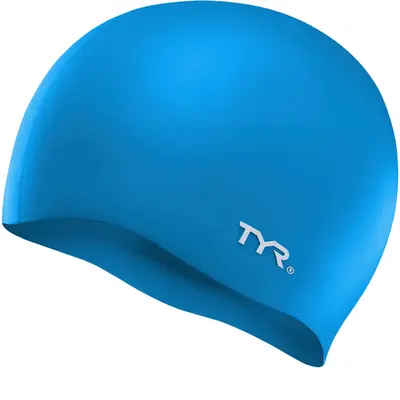
Silicone Swim Cap (Adult)
Best all-around cap. Durable, comfortable, fits most head sizes, and available in dozens of colors.
View on Amazon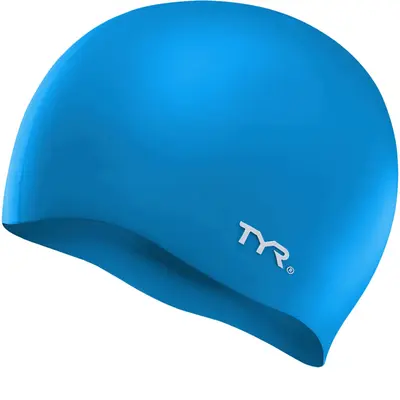
Swim Cap for Long Hair
Extra-large silicone design with more crown room. Perfect for thick, curly, or long hair.
View on Amazon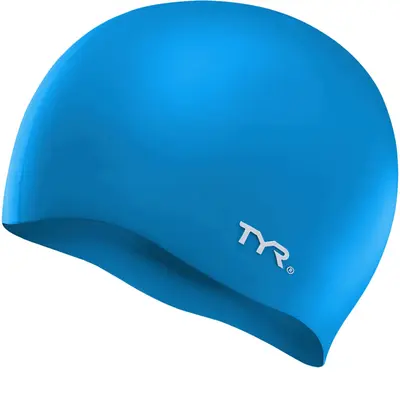
Kids Swim Cap (Youth Size)
Designed for ages 3-10. Soft silicone, fun colors, and a snug fit that stays put during lessons.
View on Amazon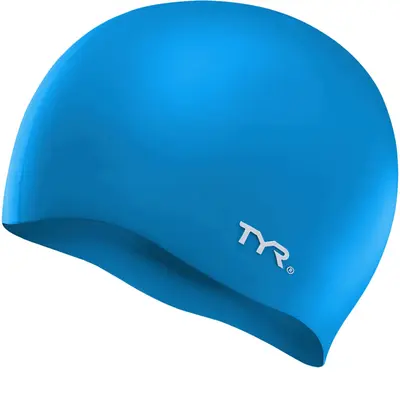
Latex Swim Cap Multipack
Budget-friendly pack of 3-6 caps. Great for competitive swimmers or families who swim often.
View on Amazon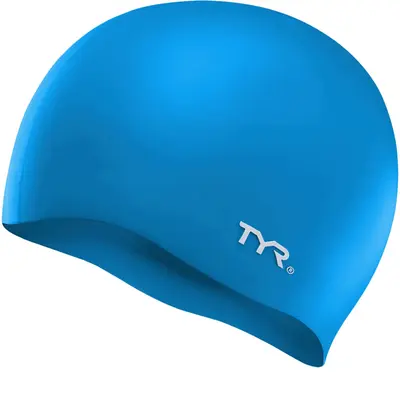
Swim Cap + Goggles Combo
Matching cap and goggle set. Perfect starter kit for new swimmers or swim lesson beginners.
View on AmazonCare & Maintenance
A little care extends the life of your swim cap significantlyhere's how to make it last.
Rinse in fresh water
Chlorine degrades silicone and latex over time. A quick rinse in cold tap water removes chemicals and prolongs the life of your cap.
Dry flat, not folded
Hang or lay your cap flat to dry. Avoid folding it while wet, which can cause creases and weak spots that lead to tearing.
Sprinkle with talcum powder
Dust the inside of silicone and latex caps with talc or cornstarch to prevent them from sticking together. This makes them easier to put on and prevents tearing during storage.
Frequently Asked Questions
Do swim caps keep hair dry?
No swim cap is 100% waterproof. Silicone and latex caps reduce water exposure significantly, but some moisture will seep in around the edges. For best protection, tuck all hair inside, wear a tight fit, and consider a double-cap technique for very long hair.
What size swim cap do I need?
Most swim caps come in standard adult and youth sizes. Adults with very long or thick hair should look for extra-large or long-hair specific caps. Kids under age 10 typically need youth-sized caps. Silicone caps stretch more than latex, offering a more forgiving fit.
Are swim caps required at pools?
Many public pools require swim caps to reduce hair and debris in the filtration system, improve hygiene, and minimize clogged drains. Competitive swimming and water polo always require caps. Check your pool's rulesmany provide disposable caps if you forget yours.
More Water Safety Resources
Swim Goggles Guide
Find the best goggles for kids and adults, with anti-fog tips and prescription options.
All Resources
Browse water safety guides, checklists, infographics, and educational materials.
Find Swim Lessons
Search 1,245+ swim lesson providers across all 50 states. Free and low-cost options available.
FloatSwim is a participant in the Amazon Associates Program. Some links earn a small commission at no extra cost to you.
Related Guides
Infant Swim Lessons
When to start, ISR vs. traditional methods, and how to find classes near you.
Pool Safety Checklist
Fencing, alarms, supervision rules, and emergency preparation for families.